How to Build a WhatsApp Clone App: Features, Cost & Tech Stack
Build a WhatsApp clone app with real-time messaging, voice & video calls, and end-to-end encryption. CloneAppz develops custom apps for Android, iOS, and web.
9 min read
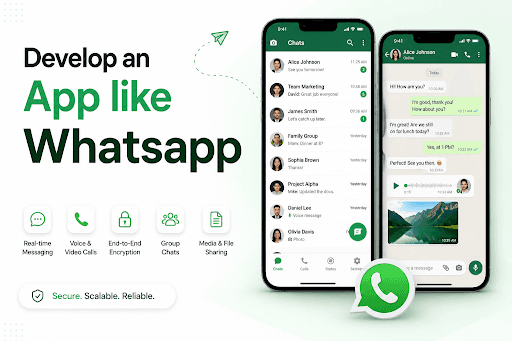
The demand for secure, real-time communication platforms has grown significantly over the past decade. Businesses, startups, healthcare providers, educational institutions, and enterprises are increasingly looking for custom messaging solutions instead of relying solely on third-party communication platforms. This shift has made the whatsapp clone app one of the most popular software products in the mobile app development industry.
Whether you want to launch a private messaging platform, a customer support application, or an enterprise collaboration solution, building a messaging app requires much more than simple text communication. Modern users expect encrypted chats, HD voice calls, video conferencing, media sharing, cloud synchronization, and seamless cross-device experiences.
This comprehensive guide explains everything you need to know about building a WhatsApp-inspired messaging platform, including essential features, development stages, technology stack, estimated development costs, monetization strategies, security requirements, and future trends.
Why Businesses Are Investing in Messaging Applications Similar to WhatsApp
Instant messaging has become one of the most widely used digital communication methods worldwide. Consumers expect businesses to provide immediate support, employees need secure internal communication, and communities require scalable messaging platforms.
Instead of depending on third-party applications, organizations increasingly prefer owning their communication ecosystem because it offers greater flexibility, stronger branding, improved security, and complete control over user data.
Companies planning to build an app like whatsapp often customise the platform according to their industry-specific requirements. Healthcare companies integrate HIPAA-compliant messaging, logistics businesses enable driver communication, educational institutions offer virtual classrooms, while fintech companies implement secure transaction notifications.
Owning a custom messaging platform also eliminates dependency on changing third-party policies, API limitations, and pricing models.
Understanding a WhatsApp Clone App
A whatsapp clone reproduces the core functionality of WhatsApp while allowing businesses to customize features, branding, infrastructure, and user experience.
Rather than creating an identical application, developers typically use WhatsApp as a benchmark for user experience and then introduce industry-specific capabilities.
A modern messaging application usually includes:
- One-to-one messaging
- Group chats
- Multimedia sharing
- Voice messages
- Voice calling
- Video calling
- End-to-end encryption
- Push notifications
- Status updates
- File sharing
- Contact synchronization
- Cloud backup
- Cross-platform compatibility
Businesses can further extend these capabilities with AI assistants, chatbot integration, workflow automation, CRM connectivity, and enterprise collaboration tools.
Essential Features Every WhatsApp Clone App Should Include
User Registration and Authentication
A secure authentication system is the foundation of every messaging application.
Popular login methods include:
- Mobile number verification
- OTP authentication
- Email authentication
- Social login
- Biometric login
- Multi-factor authentication
These authentication mechanisms improve account security while simplifying onboarding.
Real-Time Messaging Engine
The messaging system is the heart of every chat application.
Users should be able to:
- Send text instantly
- Edit messages
- Delete messages
- Forward conversations
- Reply to specific messages
- Pin important chats
- React using emojis
- Search conversations
Real-time synchronization ensures messages appear instantly across connected devices.
Voice and Video Calling
Users increasingly expect HD-quality communication.
Essential features include:
- One-to-one voice calls
- Group voice calls
- HD video calls
- Conference meetings
- Screen sharing
- Call recording (where legally permitted)
- Call history
These capabilities require reliable media streaming infrastructure.
Multimedia File Sharing
Modern messaging extends far beyond text.
Users should be able to share:
- Images
- Videos
- Audio files
- PDFs
- Documents
- Contacts
- Live location
- GIFs
- Stickers
Efficient compression and cloud storage significantly improve user experience.
Group Messaging
Group communication remains one of the biggest engagement drivers.
Useful capabilities include:
- Group creation
- Admin controls
- Member permissions
- Group invitations
- Polls
- Announcements
- Shared media
- Group moderation
Status Updates
Status stories encourage daily engagement.
Features generally include:
- Images
- Videos
- Text updates
- Music
- Privacy settings
- Viewer analytics
- Expiration timers
Push Notifications
Timely notifications increase engagement.
Users receive alerts for:
- New messages
- Missed calls
- Friend requests
- Group invitations
- Mentions
- Status updates
Notification preferences should remain fully customizable.
Security Features
Security is no longer optional.
Every messaging application should include:
- End-to-end encryption
- Data encryption at rest
- Secure cloud storage
- Device verification
- Session management
- Login history
- Spam detection
- Abuse reporting
Advanced Features That Differentiate Premium Messaging Platforms
Businesses aiming to develop an app like whatsapp often go beyond basic messaging functionality.
Popular premium features include:
AI Chat Assistant
Artificial intelligence can automate customer support, summarize conversations, translate messages, and generate replies.
Chat Translation
Real-time language translation enables seamless global communication.
Message Scheduling
Users can schedule important messages for future delivery.
Secret Chats
Additional privacy options include:
- Self-destructing messages
- Screenshot protection
- Hidden chats
- Password-protected conversations
Cloud Synchronization
Messages remain synchronized across:
- Smartphones
- Tablets
- Desktop applications
- Web browsers
Smart Search
AI-powered search helps users quickly locate:
- Files
- Images
- Links
- Documents
- Voice notes
- Contacts
WhatsApp Business Clone for Enterprises
Many organisations require business-focused messaging capabilities instead of consumer chat applications. A whatsapp business clone includes advanced collaboration tools designed for customer engagement and internal communication.
Business-focused capabilities include:
- CRM integration
- Customer ticket management
- Shared team inbox
- Business profiles
- Product catalogues
- Automated greetings
- Quick replies
- Chat analytics
- Customer segmentation
- Marketing broadcasts
These features help organisations centralise communication while improving customer service efficiency.
How WhatsApp Web Clone Improves Cross-Platform Accessibility
Many users expect to continue conversations from their desktop without losing chat history. A whatsapp web clone enables browser-based messaging that synchronises instantly with mobile devices.
Key capabilities include:
- QR code login
- Real-time chat sync
- File uploads
- Drag-and-drop sharing
- Desktop notifications
- Voice and video calling
- Multi-device login
- Secure browser sessions
Cross-platform accessibility significantly improves productivity for professionals and remote teams.
Android Development Considerations
Developing a whatsapp clone android application requires optimisation for thousands of Android devices with different screen sizes, hardware configurations, and operating system versions.
Developers should focus on:
- Material Design principles
- Background service optimisation
- Battery efficiency
- Offline messaging
- Adaptive UI
- Push notification reliability
- Device compatibility testing
- Performance optimisation
Ensuring smooth performance across entry-level and flagship devices is essential for user retention.
Complete Technology Stack for Building a WhatsApp Clone
Selecting the right technology stack directly impacts scalability, security, and performance.
Frontend Technologies
- Flutter
- React Native
- Kotlin
- Swift
Backend Technologies
- Node.js
- NestJS
- Django
- Laravel
- Go
Database
- PostgreSQL
- MongoDB
- Cassandra
- Redis
Real-Time Communication
- WebSockets
- Socket.IO
- MQTT
Voice and Video APIs
- WebRTC
- Agora
- Twilio
- Daily
- Vonage
Cloud Infrastructure
- AWS
- Microsoft Azure
- Google Cloud Platform
Storage
- Amazon S3
- Cloudflare R2
- Firebase Storage
Push Notifications
- Firebase Cloud Messaging
- Apple Push Notification Service
DevOps
- Docker
- Kubernetes
- Jenkins
- GitHub Actions
Step-by-Step Development Process
Creating a successful messaging application requires a structured development roadmap.
Market Research
Study competitors, identify target users, define unique selling points, and understand industry requirements.
UI/UX Design
Design intuitive messaging interfaces, minimise navigation complexity, and prioritise user engagement.
Backend Architecture
Build scalable APIs capable of handling millions of simultaneous connections.
Real-Time Messaging
Implement reliable message delivery using socket-based communication.
Voice and Video Integration
Integrate communication APIs and optimise media quality.
Security Implementation
Deploy encryption, authentication, and secure storage mechanisms.
Testing
Conduct:
- Functional testing
- Security testing
- Performance testing
- Load testing
- Device compatibility testing
Deployment
Launch applications across Android, iOS, desktop, and web platforms.
Continuous Improvement
Regularly release feature updates, security patches, and performance enhancements.
How to Clone WhatsApp Without Copying Its Exact Product
Many entrepreneurs ask how to clone whatsapp, but successful products are not direct replicas. Instead, businesses should focus on recreating the core communication experience while adding original functionality that serves a specific audience or industry.
For example, a healthcare messaging platform may prioritise secure patient communication, while a logistics solution could include live driver tracking and dispatch coordination. Building unique workflows and integrations creates long-term value and helps differentiate the product in a competitive market.
Cost of Making an App Like WhatsApp
The cost of making an app like whatsapp depends on several technical and business factors.
These include:
- Platform selection
- UI complexity
- Real-time infrastructure
- Voice and video integration
- AI features
- Security implementation
- Development location
- Third-party APIs
- Cloud hosting
- Ongoing maintenance
Estimated development costs are:
Development Stage | Estimated Cost |
MVP Messaging App | $5,000 – $12,000 |
Mid-Level Messaging Platform | $12,000 – $23,000 |
Enterprise Messaging Solution | $23,000 – $35,000+ |
Post-launch expenses typically include:
- Cloud hosting
- CDN services
- Push notifications
- Database management
- Security monitoring
- Feature updates
- Technical support
Common Challenges While Building a Messaging Platform
Developers often face technical challenges such as:
- Low-latency message delivery
- Real-time synchronization
- Data encryption
- High server scalability
- Cross-platform consistency
- Network instability
- Large media uploads
- Spam prevention
- Regulatory compliance
Addressing these challenges during architecture planning significantly improves long-term application performance.
Monetization Strategies
Messaging applications can generate revenue through multiple business models.
Popular options include:
- Subscription plans
- Premium features
- Enterprise licensing
- API access
- Cloud storage upgrades
- Business accounts
- In-app purchases
- Advertising (where appropriate)
Choosing the right monetization strategy depends on the target audience and business objectives.
Future Trends in Messaging Applications
The messaging ecosystem continues to evolve with new technologies.
Emerging trends include:
- AI-powered conversation assistants
- Voice cloning
- Real-time translation
- Augmented reality messaging
- Blockchain identity verification
- Decentralised communication
- Context-aware notifications
- Intelligent moderation
- Predictive replies
- Edge computing for lower latency
Businesses that adopt these innovations early can deliver more engaging and competitive communication experiences.
Why Choose CloneAppz for WhatsApp Clone App Development
Choosing the right development partner is as important as selecting the right technology stack. CloneAppz specialises in developing scalable messaging applications for startups, SMEs, and enterprises looking to launch secure, feature-rich communication platforms.
From product strategy and UI/UX design to backend architecture, cloud deployment, and post-launch support, CloneAppz delivers end-to-end development services tailored to specific business requirements. Whether you want to create an app like whatsaap for a niche market or build a large-scale enterprise messaging platform, the team focuses on security, scalability, and long-term maintainability.
Businesses looking for faster deployment can also explore a white label chat app solution, which reduces development time while still allowing extensive customisation and branding.
Conclusion
Building a WhatsApp-inspired messaging platform involves much more than implementing chat functionality. A successful product requires robust architecture, scalable infrastructure, advanced security, intuitive user experience, and continuous innovation. From real-time messaging and multimedia sharing to AI-powered features and enterprise collaboration tools, every component contributes to user engagement and long-term success.
Whether you are planning a startup messaging application or a large enterprise communication platform, working with an experienced development company like CloneAppz can accelerate your product launch while ensuring security, scalability, and future-ready architecture.
Frequently Asked Questions
A WhatsApp clone app is a custom messaging application that offers features similar to WhatsApp, including instant messaging, voice and video calls, multimedia sharing, and secure communication. Businesses can customise the platform according to their specific requirements.
Development timelines vary depending on project complexity. A basic MVP typically takes 3 to 5 months, while enterprise-grade messaging platforms with advanced features may require 8 to 12 months.
Popular technologies include Flutter, React Native, Node.js, PostgreSQL, Redis, WebRTC, Socket.IO, AWS, Docker, and Kubernetes, depending on project requirements.
Yes. Many businesses launch Android, iOS, and browser-based applications together to provide users with a seamless communication experience across multiple devices.
Yes. End-to-end encryption is one of the most important security features because it protects user conversations from unauthorised access and builds trust among users.
Absolutely. Messaging applications can be tailored for industries such as healthcare, logistics, education, fintech, social networking, customer support, and enterprise collaboration, with industry-specific workflows and integrations.